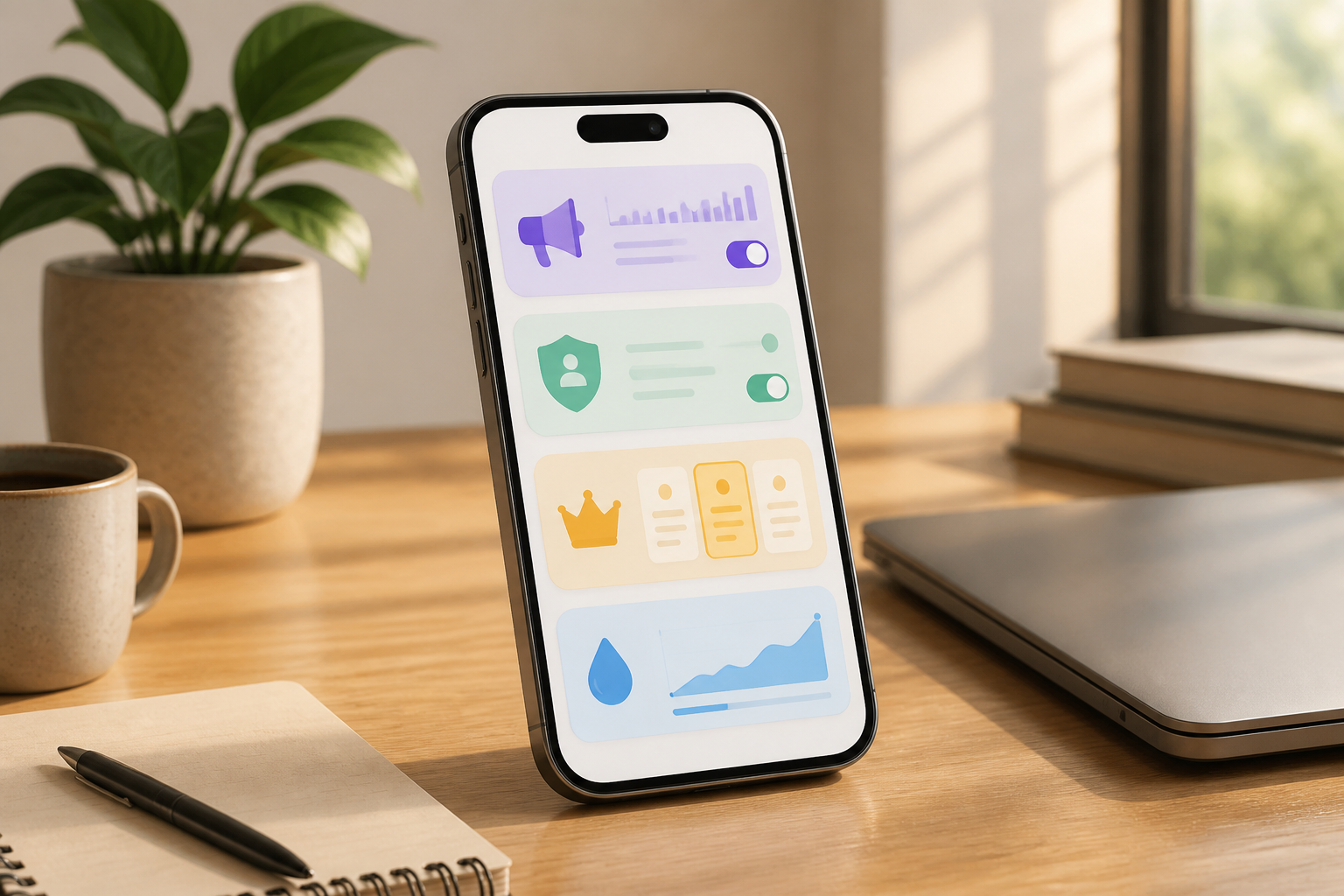
We often download apps because the button says "Free." However, free doesn't always mean there are no costs at all. We might be paying by viewing ads, providing some usage data, using limited features, or being encouraged to subscribe after trying the basic version.
Understanding how apps make money is important for anyone using a phone. Not to make us suspicious of all apps, but so we know what is really happening behind the scenes and can make more informed decisions.
Free for users, but who pays?
Every service incurs costs for servers, development, security, customer support, and marketing. If users aren't paying directly, there is usually another party or mechanism covering those costs.
Some of the most common app business models are:
- Ads: apps display ads and earn revenue from advertisers.
- Freemium: basic features are provided for free, while advanced features must be paid for.
- Subscription: users pay monthly or yearly to access the service.
- Sales of goods or services: apps act as intermediaries for transactions, such as marketplaces, transportation, or food delivery.
- Business licenses: the free consumer version is used to introduce the product, while companies pay for special features.
These models are not automatically bad. Many useful services do require a sustainable way to fund their operations. Problems usually arise when users do not understand the exchange taking place.
When ads become a source of revenue
In ad-based apps, user attention is a crucial part of the product. The longer people stay in the app and the more ads they see, the greater the chances for the service to earn revenue.
Therefore, some apps are designed to keep users coming back. Notifications, content recommendations, autoplay, and reward systems can encourage us to open the app more frequently. Features like these are not always harmful, but they can affect how we use our time.
Ads can also be tailored based on specific activities, such as the topics we search for, the pages we open, or the types of content we frequently view. Ad customization does not mean someone is always reading all the contents of our phone. However, it is still important to check permissions and privacy settings so we understand what data is being used.
Data is not always sold in the way we imagine
When hearing that an app "uses data," some people imagine that chat contents or personal photos are simply sold off. In practice, data can be used in various forms: measuring app performance, understanding user habits, preventing fraud, improving recommendations, or creating statistical reports.
However, the term "usage data" still needs to be read carefully. Information such as location, device used, activity within the app, contacts, or click habits can have significant commercial and privacy value.
What needs to be considered is not just whether the app collects data, but also:
- What data is collected?
- What is the purpose of that data?
- Is the data shared with third parties?
- How long is the data stored?
- Can we delete our account and data?
Privacy policies are often lengthy and difficult to read. For everyday use, we can start with the sections that explain the types of data, processing purposes, sharing with third parties, and user choices.
Freemium: free to try, paid for serious needs
The freemium model provides basic access for free, then offers additional features for payment. Examples can include larger storage, watermark-free exports, team collaboration, advanced synchronization, or ad removal.
Freemium can be a fairly fair model because users can try the service before paying. What to watch out for is when the limitations of the free version are made too disruptive or the process of unsubscribing is made confusing.
Before hitting the start trial button, check a few things:
- What is the price after the trial period ends?
- When will the first bill appear?
- Is the subscription automatically renewed?
- How do I cancel it?
- What features do we really need?
Keep proof of subscription and the trial end date. If you do not wish to continue, cancel early through the app store or the account page used during subscription.
Signs of apps with designs to watch out for
Not all designs that make us want to buy something are scams. However, there are patterns that should make us pause. For example, the "continue" button is made very prominent while the option to decline is hidden, new prices are shown at the final stage, or users are made to feel they will miss out if they do not pay immediately.
Such patterns are often referred to as dark patterns, which are interface designs that push certain decisions without providing balanced choices. The impact can be unintended subscriptions, in-app purchases, or overly broad data consent.
If an app keeps pushing us, displaying unclear warnings, or complicating the exit process, it is not a reason to panic, but it is enough reason to reread the available options.
What can be done now
We do not need to stop using free apps. A few simple habits can help:
- Check the "In-app purchases" section before downloading.
- Use permissions as needed. Flashlight apps usually do not need access to contacts or the microphone.
- Turn off unnecessary promotional notifications.
- Regularly check active subscriptions in the app store settings.
- Use a dedicated email address for service trials if necessary.
- Delete apps that are no longer used and revoke access from irrelevant accounts.
- Do not assume that apps with many downloads are necessarily safe or respect privacy.
What it means for us
Free apps are the result of an exchange. We may pay with money, attention, data, or feature limitations. That exchange can be fair as long as it is explained clearly enough and we are given reasonable choices.
A healthy approach is not to reject all ads or avoid every app that collects data. We just need to get into the habit of asking: "How does this service make money, and am I comfortable with that?"
With that simple question, we not only become more frugal users. We are also better able to protect our privacy, avoid forgotten subscriptions, and choose technology based on real benefits—not just because the button says free.
– Rio Yotto @rioyotto